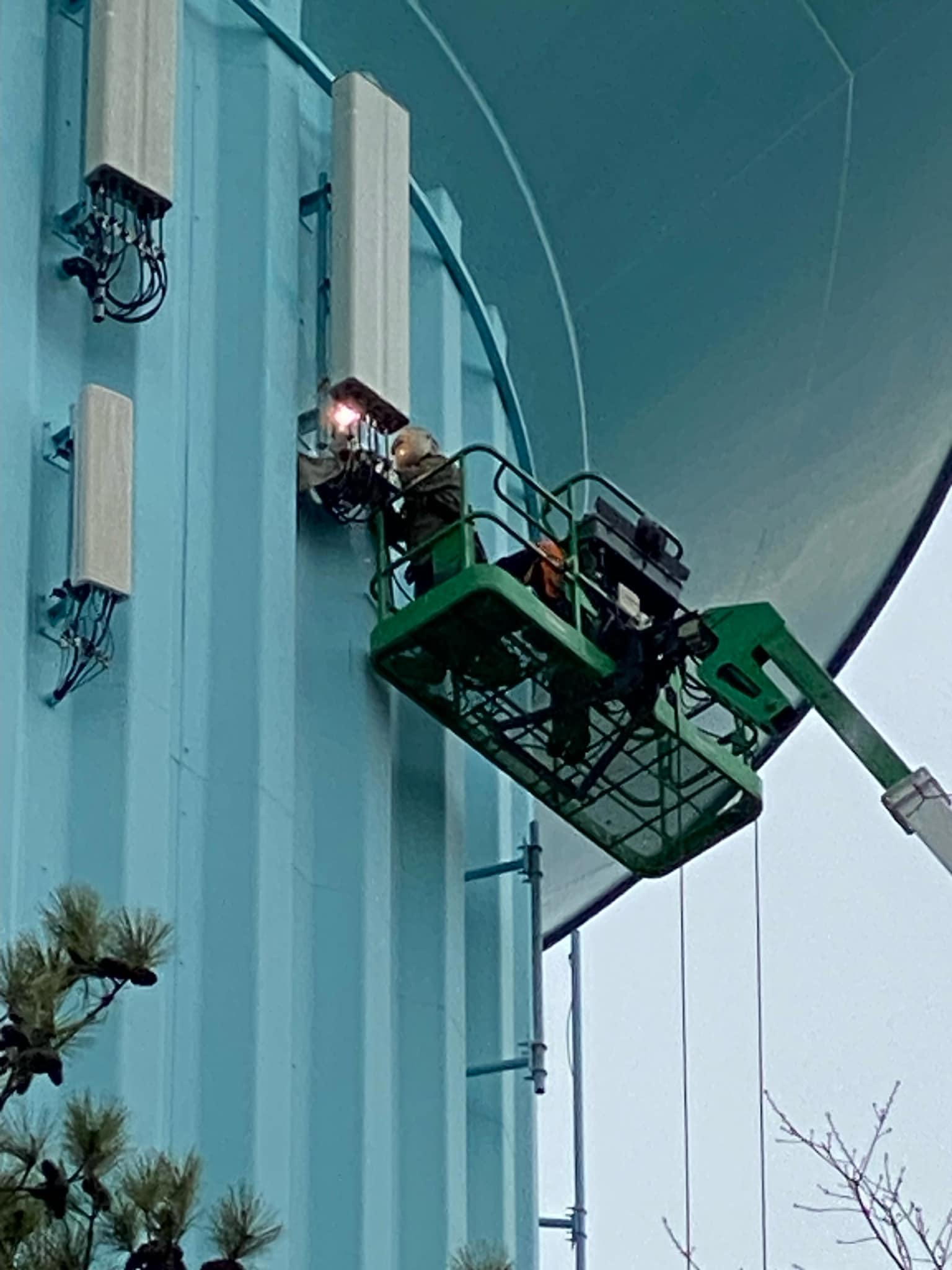
Strengthening Foundations: Welding's Impact on Infrastructure Development May 17, 2026
To begin understanding the profound impact of welding, imagine the towering skyscrapers, expansive bridges, and enduring roadways that define our urban landscapes. Each of these structures relies heavily on welding to ensure stability, durability, and safety. As a process, welding involves the joining of materials, usually metals, and is critical in creating the reliable structural frameworks of buildings and bridges. Anderson Welding Services, with their years of experience, meticulously execute this craft to ensure that the infrastructure we depend on remains uncompromised and reliable.
The utility of welding extends far beyond just joining metal. Its application in infrastructure development includes constructing steel frameworks for high-rise buildings, ensuring rigidity and resilience against natural elements. Welding is also pivotal in the fabrication and maintenance of pipelines that transport essential resources like water, oil, and natural gas. With precision welding, these pipelines become robust conduits that support daily life and commerce, exemplifying Anderson Welding Services’ commitment to excellence.
Welding enhances infrastructure not only through initial construction but also through repair and maintenance. Over time, structures undergo wear and tear due to weather and usage. Welding repairs ensure these structures remain safe and operational for extended periods. For instance, when a bridge shows signs of stress or corrosion, welding can be utilized to reinforce joints and replace weakened metal parts, preventing catastrophic failures and extending the life of the structure.
The importance of welding in enhancing sustainable development cannot be overstated. By using advanced welding technologies, companies like Anderson Welding Services contribute toward reducing waste and promoting environmentally friendly practices. Energy-efficient welding methods not only decrease the carbon footprint but also ensure that the infrastructure built is sustainable and capable of withstanding future challenges.
Education and technological advancements in welding also play a crucial role in infrastructure. New techniques, such as automated and robotic welding, are revolutionizing the industry. They allow for greater precision and efficiency, reducing the likelihood of human error. As these technologies continue to evolve, Anderson Welding Services remains dedicated to embracing innovation to provide the best possible outcomes for infrastructure projects.
In conclusion, welding is a critical component in the development and maintenance of infrastructure. Its role is foundational, ensuring that buildings stand tall, bridges span vast distances, and pipelines deliver vital resources safely and effectively. Through the skilled craftsmanship provided by entities like Anderson Welding Services, welding remains a cornerstone of infrastructure development, paving the way for safer, more resilient urban environments. As we move towards an increasingly connected and sustainable future, the art of welding will continue to play a pivotal role in building a world that can support and sustain generations to come.
/filters:no_upscale()/filters:format(webp)/media/db324a6b-632e-4a4c-abbd-0ea2b3ee1e09.jpeg)