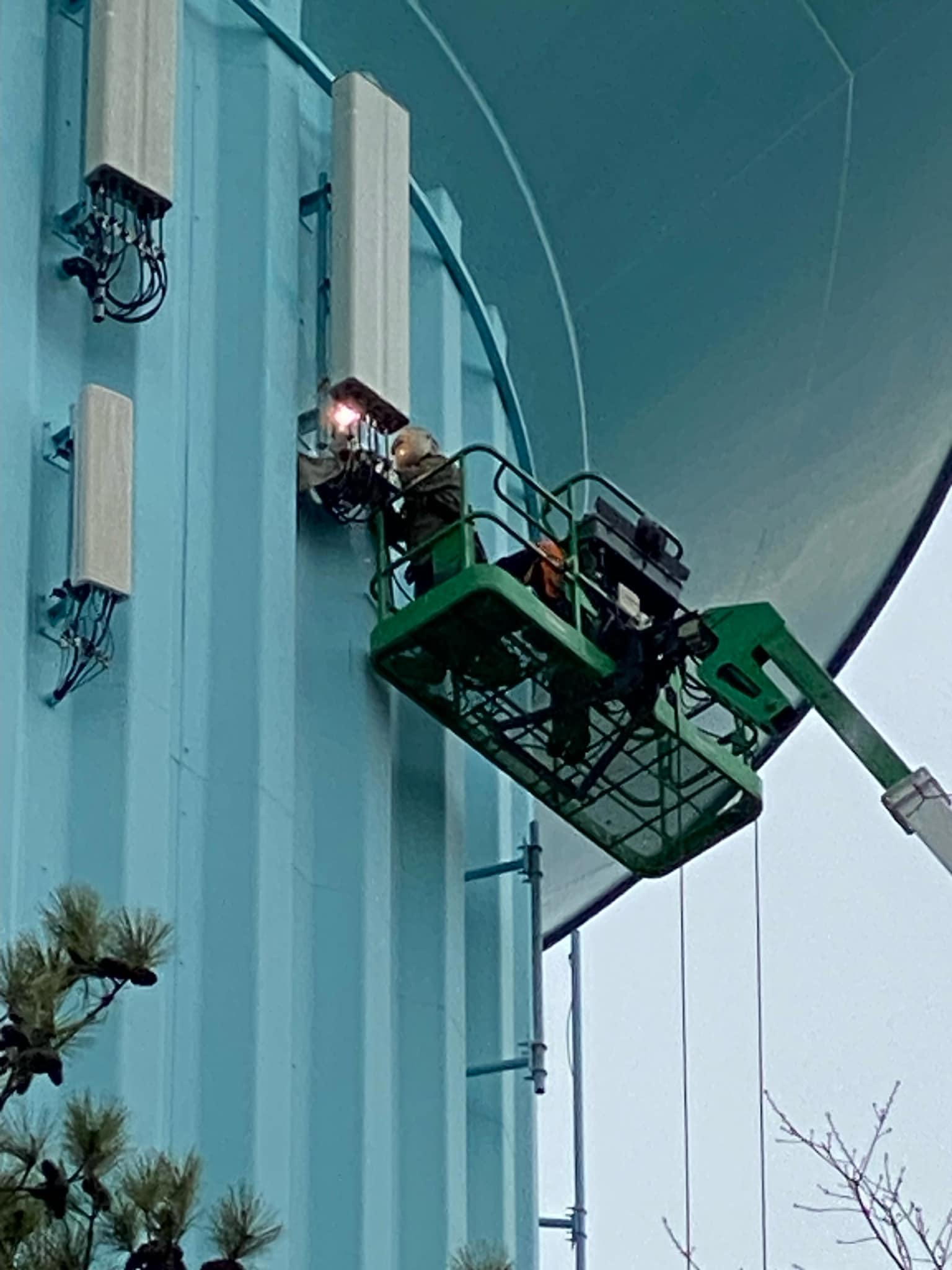
Safety First: Top Tips for Protecting Welders on the Job Feb 18, 2026
The first and foremost consideration for welding safety is wearing appropriate personal protective equipment (PPE). This includes a welding helmet with the correct shade for eye protection, flame-resistant clothing, gloves, and steel-toed boots. These items are essential barriers against sparks, intense light, and heat. Additionally, it's imperative to ensure all PPE is well-maintained and replaced regularly to provide reliable protection.
Ventilation is another critical factor as welding processes can produce harmful fumes and gases. A well-ventilated workspace reduces the risk of inhaling these dangerous substances. In enclosed spaces, adequate ventilation must be provided through local exhaust systems or by using respiratory protection if necessary. Encouraging welders to work upwind of the fumes and regularly monitor air quality can significantly enhance workplace safety.
Fire prevention should be a constant focus as welding involves open flames and hot materials. All flammable materials should be cleared from the welding area, and fire extinguishers must be readily accessible. Training welders to use fire safety equipment effectively is crucial. Incorporating a fire watch program, particularly for jobs conducted in sensitive environments, provides an added layer of protection.
Awareness and proper training are fundamental for every welder. Understanding the risks associated with different welding processes—be it arc welding, TIG, or MIG—helps in choosing the right techniques and safety precautions. Regular safety training sessions and updates on new safety standards keep everyone informed and vigilant.
Electrical safety is another pivotal aspect of welding safety. Before operating any welding equipment, it is essential to check all electrical connections and ensure that the equipment is properly grounded. Regular maintenance and inspections can prevent electrical mishaps, and using ground fault circuit interrupters (GFCIs) add an extra layer of safety against electrical shocks.
Moreover, physical wellness plays a significant role in maintaining a safe work environment. Ergonomic practices, such as proper posture and movement, can prevent strains and injuries common in the physically demanding job of welding. Encouraging regular breaks can help welders stay alert and focused on their tasks, reducing the likelihood of accidents.
Finally, foster a culture of communication and reporting. Welders should feel comfortable reporting potential hazards without fear of repercussions. This openness ensures that issues are addressed promptly and helps in developing proactive measures against future risks.
By prioritizing these safety tips, Anderson Welding Services not only protects its employees but also builds a reputation for reliability and excellence in the industry. Safety-first workplaces are more efficient and happier environments, leading to enhanced craftsmanship and satisfied clients. Let's continue to uphold these principles, staying informed and vigilant to keep our teams safe and our services top-notch.
/filters:no_upscale()/filters:format(webp)/media/db324a6b-632e-4a4c-abbd-0ea2b3ee1e09.jpeg)