Mastering the Art of Welding: Tips and Techniques from Anderson Welding Services Feb 12, 2026
To begin with, it's essential to understand the types of welding processes available. Common methods include Metal Inert Gas (MIG) welding, Tungsten Inert Gas (TIG) welding, and Stick welding. Each has its own advantages and is suited to specific applications. For instance, MIG welding is known for its speed and ease of use, making it ideal for beginners and large projects where efficiency is key. TIG welding, on the other hand, offers greater control and precision, making it preferable for detailed work and thinner materials. Stick welding is versatile and can be used for heavy-duty repairs, even in outdoor environments.
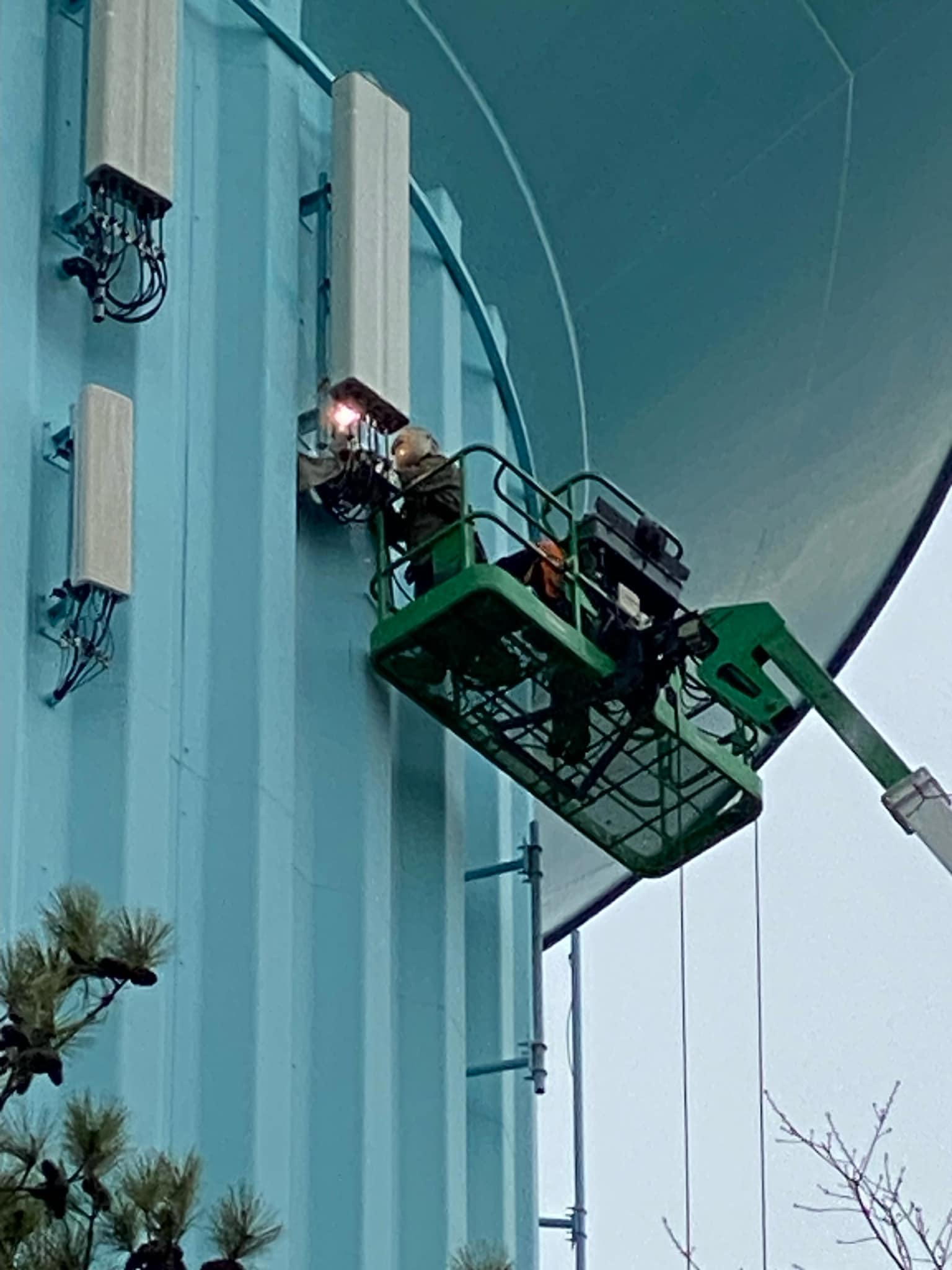
Safety is paramount in any welding task. Always ensure you're wearing appropriate protective gear, including a welding helmet with a certified auto-darkening filter, gloves, and flame-resistant clothing. A well-ventilated workspace is essential to prevent exposure to harmful fumes. It's also crucial to conduct regular equipment checks to ensure everything is functioning correctly to avoid accidents.
Preparation is a critical step often underestimated in the welding process. Before striking an arc, thoroughly clean the metal surface to remove any rust, paint, or oil. Clean surfaces result in cleaner welds, reducing the risk of impurities and defects. Properly aligning and securing your work materials with clamps can also prevent movement during welding, ensuring accurate and strong joints.
Mastering welding techniques is the next focus area. In MIG welding, maintaining the correct electrode angle and keeping a consistent speed is crucial for producing even weld beads. In TIG welding, the technique involves both hands: one to hold the TIG torch and the other to feed the filler rod. This requires steady coordination and practice. Stick welding, while forgiving of rust and dirt, demands controlling the arc length and angle to avoid issues such as spatter or slag inclusions.
Beyond the technical aspects, developing an eye for detail contributes significantly to welding expertise. Pay attention to the heat input; it should be consistent to prevent distortion or warping of materials. Learn to read the puddle - the molten pool created during welding - as it offers clues about the weld's penetration and quality. Take the time to practice on scrap metal to perfect your technique without the pressure of working on critical projects.
Finally, continuous learning and improvement are vital. Stay updated with the latest advancements in welding technology and techniques. Attend workshops, watch tutorials, and consult with experienced welders to exchange knowledge and experiences. At Anderson Welding Services, we're always exploring new methods and tools to deliver superior results to our clients.
In summary, mastering the art of welding is a journey that combines skill, safety, and precision with ongoing education. By implementing these tips and techniques, you can elevate your welding projects, ensuring both functionality and aesthetic appeal. Remember, every weld you create is a testament to your growing expertise, so embrace the learning process and become a master of this intricate craft.
/filters:no_upscale()/filters:format(webp)/media/db324a6b-632e-4a4c-abbd-0ea2b3ee1e09.jpeg)