Crafting Stronger Bonds: How Welding Techniques Enhance Infrastructure Feb 24, 2026
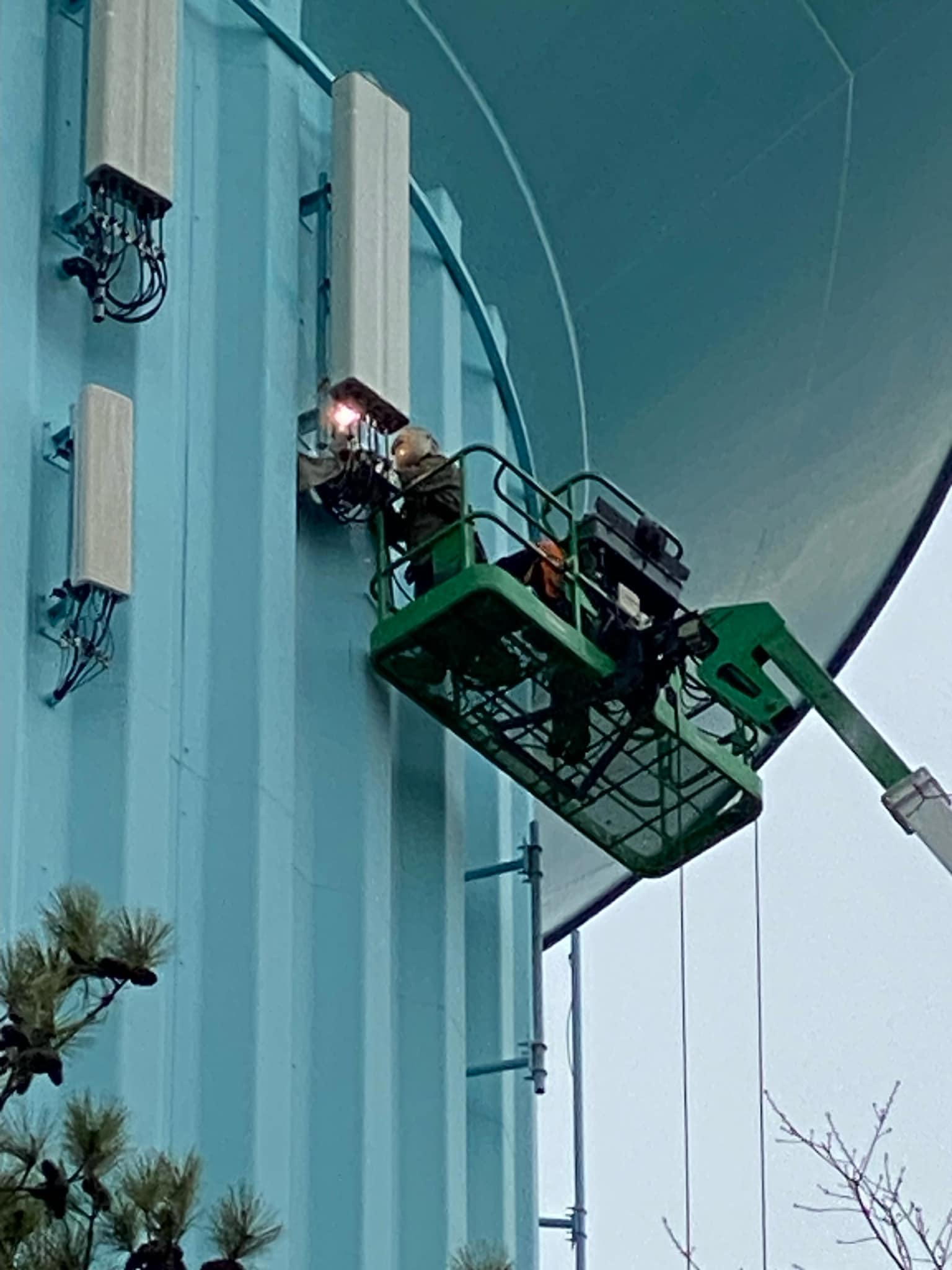
Welding, in its simplest form, is the process of joining two or more pieces of metal together. However, the techniques and processes involved are far from simple and vary depending on the application. Structural welding, for example, is employed in building strong frameworks for skyscrapers, bridges, and pipelines. It must withstand enormous stress and pressure, necessitating high precision and skill. Anderson Welding Services excels in this arena, providing expert welding solutions that ensure the integrity and longevity of critical infrastructure.
Different types of welding techniques cater to various infrastructure projects, each with its own set of advantages. Take arc welding, for instance, a technique that uses electricity to create intense heat and melt metals. This method is extensively used in construction because it delivers strong, durable bonds capable of supporting substantial weight. Similarly, MIG (Metal Inert Gas) welding offers versatility and speed, making it an ideal choice for large-scale manufacturing when time is of the essence.
The role of welding in enhancing infrastructure is indispensable. Not only does it bind materials in construction, but it also contributes to the efficiency and safety of infrastructure. By using automation and advanced welding technologies, companies like Anderson Welding Services can ensure that welds are not only strong but also consistent, reducing human error and increasing productivity. For critical infrastructure projects such as bridges and skyscrapers, this consistency is key, providing peace of mind that these structures can endure the test of time and elements.
Aside from the mechanical benefits, welding significantly impacts the environmental sustainability of infrastructure projects. Advanced welding techniques allow for precise material usage, minimizing waste and optimizing resources. In line with global sustainability efforts, Anderson Welding Services emphasizes eco-friendly practices, like recycling metal scraps and adopting energy-efficient technologies. By reducing the carbon footprint associated with infrastructure development, welding contributes to a more sustainable future.
As infrastructure evolves, so too must the welding techniques employed. Research and development in the welding industry are constantly pushing the boundaries of what is possible. Innovative technologies such as laser and ultrasonic welding are beginning to make their mark, offering precise and efficient alternatives to traditional methods. These advancements not only enhance the quality and strength of infrastructure projects but also reduce costs and increase safety standards.
In conclusion, welding is an indispensable component of modern infrastructure, ensuring the strength, safety, and sustainability of our built environment. Anderson Welding Services, with its commitment to cutting-edge welding techniques and eco-friendly practices, plays a crucial role in crafting stronger, more reliable bonds that underpin the world’s infrastructure. As cities expand and industries evolve, the importance of expert welding services will only continue to grow, ensuring that our bridges remain steadfast and our skyscrapers touch the sky. Understanding and appreciating these techniques is essential for anyone involved in infrastructure development, as the quality of welding directly influences the durability and success of construction projects worldwide.
/filters:no_upscale()/filters:format(webp)/media/db324a6b-632e-4a4c-abbd-0ea2b3ee1e09.jpeg)